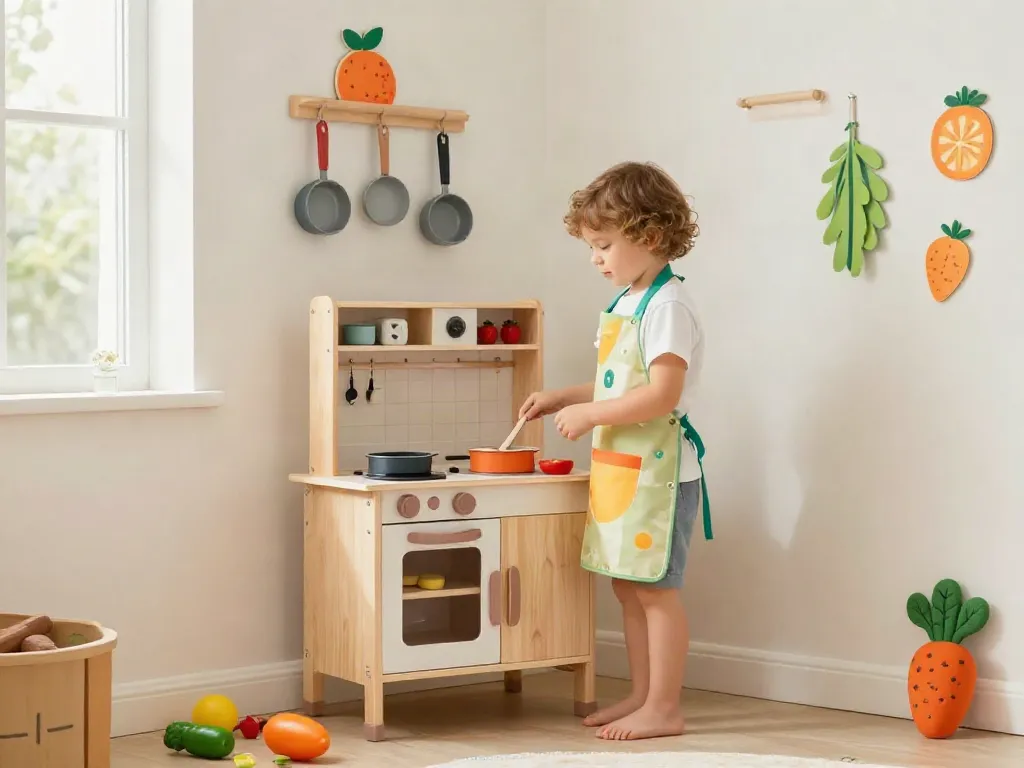
Understanding the Appeal of Toy Kitchens
Toy kitchens resonate with children and parents alike, sparking creativity and imaginative play. These playsets provide a miniature experience of real-life cooking, allowing children to mimic their parents in the kitchen. As pretend play fosters critical developmental skills, it’s no surprise that the popularity of toy kitchens is on the rise. When exploring options, toy kitchen sets come in various styles and designs, catering to different preferences and play scenarios.
What Makes Toy Kitchens So Popular?
The allure of toy kitchens can be attributed to several factors. Firstly, they serve as versatile play environments which can accommodate various roles—from chef to restaurateur. Children love to imitate adults, and there's something inherently thrilling about acting out cooking scenarios with their friends or family. Secondly, these toys often come equipped with realistic features such as cooking sounds, lights, and accessories, making playtime more engaging and immersive.
The Developmental Benefits of Pretend Play
Pretend play is crucial for a child's cognitive and social development. As children engage with toy kitchens, they enhance their imagination, reasoning, and social skills. When they role-play as chefs, they learn about sharing and teamwork, as they often play in groups. Moreover, toy kitchens can help improve language skills as children narrate their cooking adventures, and vocabulary associated with food and culinary tools gets reinforced.
How Different Ages Engage with Toy Kitchens
Toy kitchens appeal to a wide age range. For toddlers, these toys can serve as simple role-playing instruments, focusing on basic interactions like serving food. As they grow into preschool years, children begin to explore more complex scenarios, incorporating storytelling into their play. By the time they reach school age, kids can start understanding the logistics of cooking—measuring ingredients, understanding nutrition, and even budgeting for meals, depending on the complexity of the kitchen set.
Choosing the Right Toy Kitchen for Your Child
Factors to Consider When Selecting a Toy Kitchen
Choosing the right toy kitchen involves considering several critical factors. The first is the age of your child; the kitchen should be appropriate for their developmental stage, with safety features being paramount. You should also think about the size of the set concerning your available space and how often it will be used. Additionally, consider the materials used in the kitchen’s construction. Durable, non-toxic materials are essential for safe play, while also ensuring the kitchen withstands the rigours of enthusiastic little chefs.
Comparing Wooden vs. Plastic Toy Kitchens
When choosing between wooden and plastic toy kitchens, you'll find that both materials have their advantages. Wooden kitchens tend to be more durable and visually appealing, often resembling adult kitchens. They typically come with a higher price tag but are viewed as a long-term investment. Plastic kitchens, on the other hand, are generally lighter and easier to move around. They often come with sound features and can be less expensive, making them accessible for families on a budget.
Top Features to Look for in a Toy Kitchen
- Authenticity: Look for features that mimic real kitchens, such as knobs, sinks, and stoves.
- Accessories: The inclusion of play food, utensils, and other accessories can enhance the play experience significantly.
- Storage: Some kitchens come with storage options for easy clean-up.
- Interactive elements: Lights and sound functions can add an extra layer of realism.
- Modularity: Some kitchens allow for expansion or rearrangement, keeping the play experience fresh.
Brand Recommendations for Toy Kitchens in 2026
Leading Brands in the Toy Kitchen Market
In the ever-evolving toy market, several brands stand out for their innovation and quality. Melissa & Doug have long been recognised for their commitment to creativity and quality, offering a range of toy kitchens that are both functional and imaginative. Other notable brands include Little Tikes, known for their robust plastic designs, and Hape, who are celebrated for their eco-friendly wooden kits. Each brand has its unique selling points, making it essential to do thorough research before making a purchase.
Price Range and Quality Comparison
The price of toy kitchens can vary significantly based on brand, materials, and included accessories. Budget-friendly options can be found starting from around £30, primarily for basic plastic kitchens, while high-quality wooden kitchens can cost upwards of £150. It’s crucial to assess what features are essential for your child and how much you can afford to invest in their playtime.
Customer Reviews and Popular Choices
Before committing to a purchase, it's advisable to look at customer reviews. Parents often share insights regarding the durability, functionality, and overall satisfaction of the toy kitchens. Popular choices tend to include those that balance affordability with quality—ensuring that your child gets a safe, engaging play experience without breaking the bank.
Integrating Toy Kitchens into Everyday Play
Creative Ways to Enhance Pretend Play
To maximise the potential of a toy kitchen, parents can integrate various elements into playtime. Creating structured play scenarios, such as hosting a family dinner or running a restaurant, can encourage children to explore cooperative play and develop their narrative skills. Additionally, incorporating real cooking experiences alongside play can strengthen their understanding of food preparation and nutrition.
Coordinating Toy Kitchens with Other Toys
Toy kitchens can be complemented with other play sets, such as grocery stores or food carts. Coordinating these themes allows for a more elaborate play experience and helps children learn about the different aspects of cooking and food sourcing. Puzzle sets that involve meal planning can also create engaging challenges, enhancing the learning experience.
Setting Up a Play Area for Maximum Fun
Creating a dedicated play area for a toy kitchen can encourage children to engage in play longer. This space should be safe, easily accessible, and filled with related toys. Incorporating art supplies for creating menus or decorations can stimulate creativity while ensuring the play area remains organised can help in developing tidiness habits.
Future Trends in Toy Kitchens
Innovative Designs and Technology in 2026
As we move deeper into the digital age, toy kitchens are undergoing significant transformations. Innovations like augmented reality features are beginning to appear, allowing children to interact with their kitchens in new ways. For example, virtual cooking classes can be integrated, providing a unique, interactive play experience that blends entertainment with education.
The Role of Sustainability in Toy Kitchen Production
Sustainability is becoming a pressing concern among consumers, and toy manufacturers are responding. Many brands are now prioritising eco-friendly materials and production methods, allowing parents to make choices that align with their values. Look out for certifications or labels that highlight sustainable practices in the production of toy kitchens.
Expert Insights on Toy Kitchen Market Growth
The toy kitchen market is expected to continue its growth trajectory, driven by increasing awareness of the benefits of pretend play in early childhood development. Experts suggest that parental investment in educational toys, including kitchens, will expand as families prioritise the developmental needs of their children.
What Features Will Future Toy Kitchens Include?
As manufacturers innovate, future toy kitchens are likely to incorporate features such as smart technology that can give cooking directions or nutritional information about play food. These advancements will not only make play more engaging but also educate children about healthy eating habits in an interactive way.