A robot that sings, dances, or waves can draw a crowd for a few minutes. The harder test comes after the first show, when an operator must keep it safe, charged, repaired, and useful.
Entertainment robots will find lasting work in places where repeated interaction matters. That includes museums, theme parks, events, retail spaces, and homes.
- Best early fit: guided displays and short audience interactions
- Main cost: staff time, charging, repairs, and safe operating space
- Proof still missing: repeat use without constant human control
The first jobs will be controlled
A venue can give a robot a fixed route, a small set of lines, and clear rules for stopping. That makes the task easier to manage than an open-ended conversation with every visitor.
Sensors can detect people, walls, and objects near the robot. Cameras and microphones can help it react to a visitor, while motors move the body or an arm.
Software then links those inputs to a limited action, such as turning toward a person or pointing at an exhibit.
This setup suits museums and visitor centers. The robot can repeat the same explanation, answer a small group of prepared questions, and send difficult requests to a staff member. The value comes from steady operation over many sessions, not from one polished clip.
Performance is only one part of the cost
Public entertainment hardware needs more than movement. Its body must handle bumps, its software must stop unsafe actions, and its operator must reach an emergency stop quickly.
Power also shapes the business case. A robot that needs frequent charging may spend long parts of the day away from visitors. A machine with a moving arm may need a marked safety area, which reduces the floor space available for guests.
Sound creates another limit. Speakers, motors, cooling fans, and crowd noise can make speech hard to hear. A venue may need a quiet zone or a display screen to carry the message when spoken interaction fails.
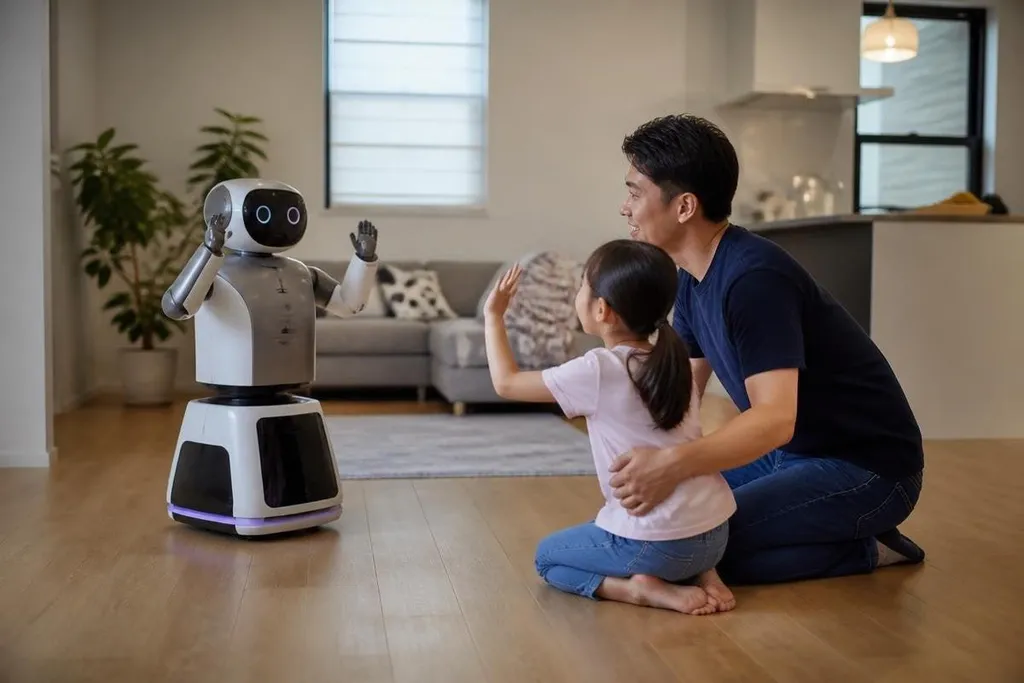
Once an entertainment robot enters a home, its job changes from holding attention to sharing space with people. A dated report from Robot 24 can show what the robot did, how a person controlled it, and where the demo stopped. Those limits lead to harder questions about daily use.
Homes will ask harder questions
A home robot has to deal with changing light, furniture, pets, children, and objects left on the floor. A venue can control much of that setting. A living room cannot.
That difference affects the type of entertainment a home robot can offer. A small robot may play sounds, respond to voice commands, move around a room, or use a screen for games. These tasks need less force and fewer moving parts than serving food or carrying objects.
Privacy will shape buyer decisions as much as motion. Cameras and microphones can make interaction feel more natural, but people need clear controls for recording, storage, and network access. A product that cannot explain those controls will face a harder sale inside the home.
I'd pay for entertainment hardware only when it keeps working after the novelty fades. A repeatable daily use matters more than a longer dance routine.
What remains unproven
The open issue is retention. A visitor may enjoy one meeting with a robot, yet that does not show they will return to use it. A family may also stop using a home robot when setup, charging, or software updates become a chore.
Operators need better proof from long trials. That proof should cover repair time, staff workload, missed interactions, safety stops, and how often people choose to engage again. A short demo cannot answer those questions.
The strongest products may combine a physical character with a useful service. A museum guide could lead visitors through an exhibit, while an event robot could manage simple check-in tasks between performances. The entertainment gives people a reason to approach; the useful task gives the robot a reason to stay.
A buying guide for venues and families
Use these checks before spending money:
- Name the repeat task: Write down what the robot must do during a normal day.
- Measure staff work: Count setup, charging, supervision, cleaning, and repair time.
- Mark the safety zone: Leave space for people to pass without touching moving parts.
- Test the quiet case: Check what happens when speech recognition or the network fails.
- Set a stop point: Decide which usage or repair figures would end the trial.
Entertainment robots have a place ahead, but the useful ones will be judged between performances. The next question is whether people keep choosing the interaction after the first week.